


When scrap automobiles, light thin sheet steel, and demolished appliances are processed through primary shredders, large quantities of heavy tailings and Automotive Shredder Residue (ASR) remain.
Historically treated as zero-value waste sent to landfills, scrap steel tailings actually contain significant percentages of trapped iron nuggets, stainless steel, copper wire, aluminum fragments, and reusable plastics.
Composition of Scrap Steel Tailings
A typical tailing material stream consists of:
- Magnetic Iron Fragments (10-20%): Fine iron flakes missed by primary magnetic belts.
- Non-Ferrous Metals (5-15%): Copper wire harness fragments, aluminum castings, stainless steel.
- Inert Non-Metals (65-85%): Plastics, rubber, foam, glass, and dirt.
Modern Tailing Processing Workflow
Reclaiming metal value from ASR requires a specialized multi-stage separation process within a modern automated metal recycling line:
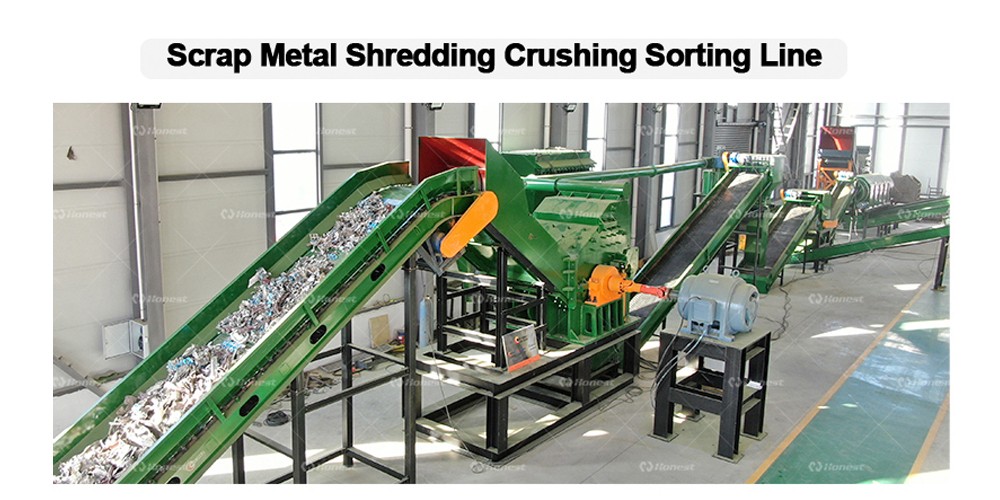
1. Light Waste De-dusting: Air separators and zigzag classifiers remove light dust, foam, and textile fiber.
2. Deep Magnetic Extraction: High-gauss magnetic rollers reclaim fine iron fragments from the heavy material bed.
3. Multi-Frequency Screening: Rotary trommel screens classify material into distinct size ranges (e.g., 0–10mm, 10–30mm, >30mm).
4. Eddy Current & Stainless Steel Sorting: Concentrated eddy current separators reclaim aluminum and copper, followed by induction sensor sorters to extract non-magnetic stainless steel (SS 304/316).
Environmental Compliance & Landfill Diversion
By processing scrap steel tailings, recycling facilities achieve up to 80% landfill volume reduction while recovering tons of high-value metals each day, directly elevating plant profitability.
Henan Honest Heavy Machinery : http://www.honestshredder.com/,All rights reserved。
Welcome to visit Henan Honest website. If you want to learn more about our equipments, Contact us Now to find out what we can do for you next project!
